Area: Key Technologies
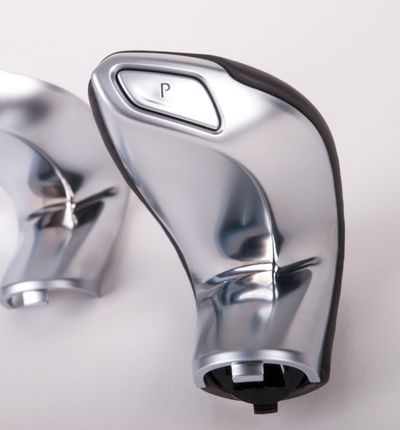
Industrial research of new clean etching solutions free of hazardous waste generation – METNET
A study is carried out to find new technological solutions for coating plastic surfaces with a metallic material, avoiding the use of dangerous chemical substances
View more
CIRCVET, circular economy practical training materials for plastic manufacturing industries
Plastic economy has been based from its start in linear managing producing overwhelming amounts of waste. This compromises the sustainability of human activities and, therefore, threatens our wellbeing degrading our ecosystems.
Setting circular business models requires increasing and adapting the Knowledge and awareness of the companies, as well as skills boosting of both, former and new entrants to the economic system.
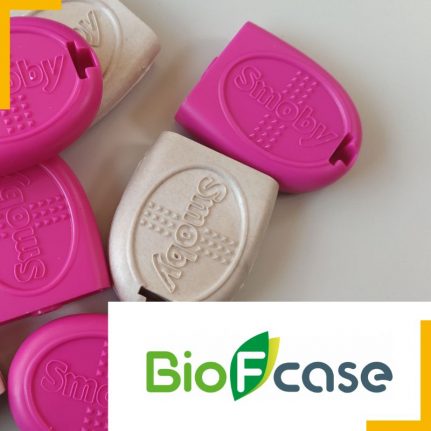
Optimization of functional biomaterials to support the access to the market of more sustainable consumer products in the Valencian Community: toy, childcare, household packaging and commercial furniture sectors – BioFCase II
The implementation of more sustainable feedstock in plastic products manufacturing companies is a current requirement in the European Union (EU) scope.
The manufacturing enterprises, thus, face themselves into a significant challenge, given that the search for more sustainable and functional plastic materials that meet the physical-chemical properties required by the product means to invest a substantial time in non-productive tasks.
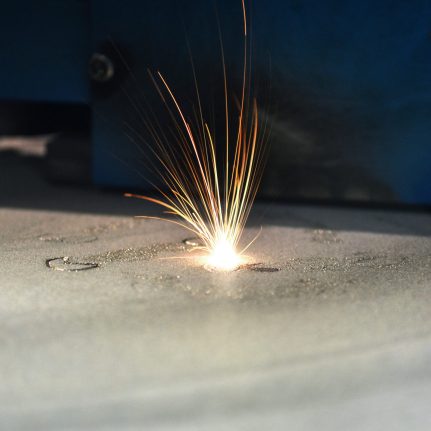
GVA 2021 I+D New materials of Metal additive manufacturing
The objective of this research line is to be able to offer companies new opportunities for the use of additive manufacturing (AM) technologies, through the development and application of new materials for AM.
View more
Development of new recycled materials from waste of multilayer pet containers for footwear, toy and construction applications – RECImPET
29.1 million tonnes of plastic waste is being generated within Europe on an annual basis, 17.8 million tonnes of which pertain to packaging. Within the latter, still over 7 million tonnes are incinerated while 3.3 million tonnes are disposed of in landfill sites, thus having an impact on the environment and the sustainability of the planet.
View more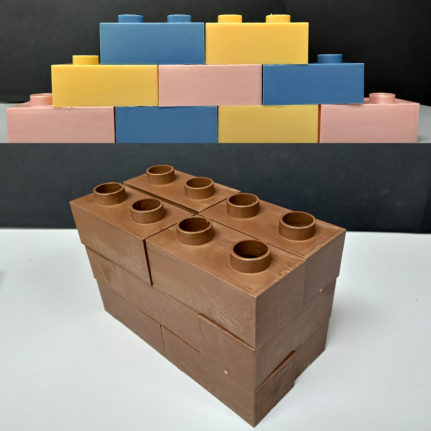
Functional biomaterials as a sustainable alternative to consumer products in the Valencian Community: toy, packaging, and household sectors – BioFcase
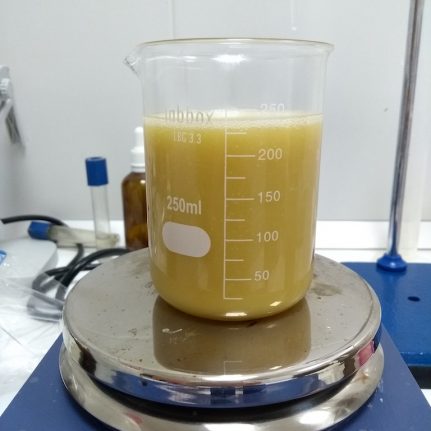
Advanced production of biodiesel from animal waste using supercritical technology – LIFE Superbiodiesel
In Europe more than 17 million tons of animal by-products (SANDACH) are processed, which produces 2.85 million tons of animal fat. Part of this animal fat processed in Europe is just disposed of in rubbish tips or it is incinerated.
View more
New EDM electrodes manufactured with electrically conductive materials by Additive Manufacturing – EDM Additive
Reduce lead times and costs in the manufacturing of electrodes can highly contribute to improve the SMEs competitiveness. Moreover, additive technologies allow the manufacturing of more complex electrodes that can boost the manufacturing of more creative moulds and designs.
View more
M-GAME PROJECT: MOOCs for Mobile Game Development Program 82018-1-TR01-KA202-059731


Real-time optimisation and monitoring of an Injection Workshop
The aim of the project is to develop an Industry 4.0 demonstrator in a die tooling workshop, its warehouse and its injection process. VICEDO MARTI S.L. is collaborating in this activity and is providing the premises in which the demonstrator pilot will be carried out.
View more