Area: Social Challenges
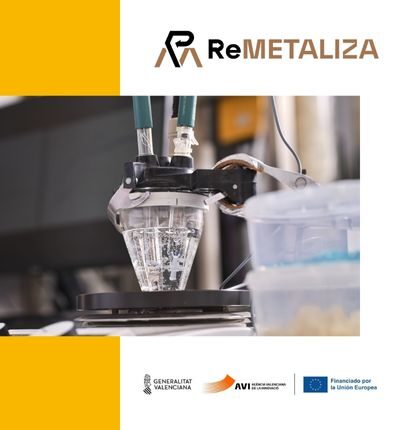
Industrial symbiosis between traditional sectors in the Valencian Community through recovery and valorisation of heavy metals – ReMETALIZA
Experimental development and analysis of synergies between five characteristic sectors of the Valencian Community (metal-mechanical, toy-plastic, textile, footwear, and ceramics) for the recovery of heavy metals (Cu, Cr, etc.) from waste with a high content of these two metals.
View more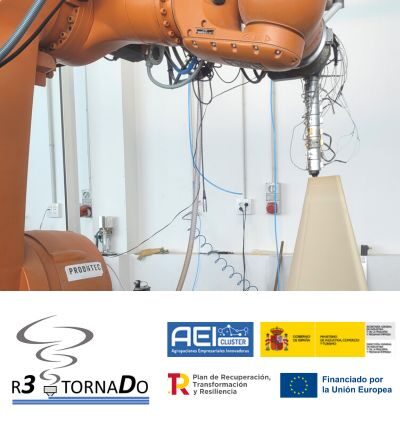
Research on recyclability of thermoplastic waste through large format 3D printing – R3Tornado
It is proposed to carry out a study on the recycling ecosystem of thermoplastic waste for its valorization, as feedstock, in advanced large-format 3D printing processes and high productivity.
View more
Applicability of the use of chemical markers for the discrimination of black coloured plastics during the recycling of children’s products- TRACER
A research project in which chemicals, called markers, are used in the development of new plastic formulations. Simultaneously, a tailor-made vision system is being developed to detect and read the presence of these markers in the sorting plant and, consequently, to facilitate their sorting for the recycling of black plastics.
View more
Chemical markers to improve traceability of children’s products as a solution to anti-counterfeiting – TRACE4FAKE
Is it possible to manufacture children's products using anti-counterfeiting materials, and is it possible to do so while avoiding any toxicological risk to the user?
The implementation of chemical markers in the materials used for the manufacture of the children's product allows a product to be traced quickly and economically, through photoluminescent properties, among others, which can be modulated according to the specific needs of each company and/or product.
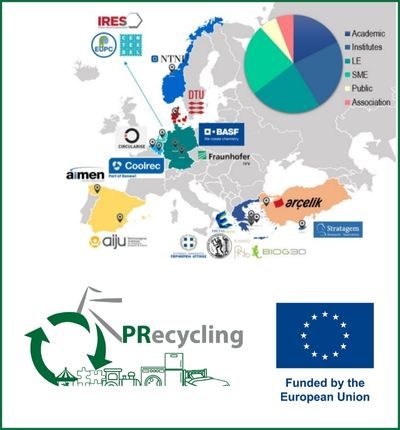
Plastics Recycling from and for home appliances, toys and textile – Precycling
The European Plastics Strategy, by means of the Green Deal & Circular Economy Action Plan 2.0, addresses the need for new methods to reliably calculate, verify and report the recycled content in products, thus boosting the increase of recycled content in everyday products against the use of virgin materials.
View more
CIRCVET, circular economy practical training materials for plastic manufacturing industries
Plastic economy has been based from its start in linear managing producing overwhelming amounts of waste. This compromises the sustainability of human activities and, therefore, threatens our wellbeing degrading our ecosystems.
Setting circular business models requires increasing and adapting the Knowledge and awareness of the companies, as well as skills boosting of both, former and new entrants to the economic system.
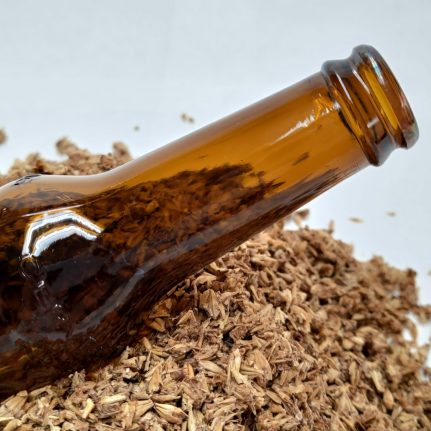
Development of probiotics and value-added products from beer brewing waste – Biovalora
Beer brewing within the EU generates over 6 million tonnes of bagasse and a million tonnes of yeast. Bagasse is rich in protein and dietary fibre. However, 20% of bagasse waste gets disposed of in landfill sites, thus leading to a loss of a high value-added product.
View more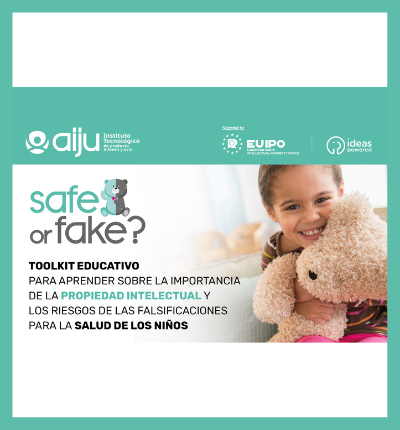
SAFEorFAKE Toolkit
The SAFEorFAKE? Toolkit is a project led by AIJU with the support of the European Union Intellectual Property Office (EUIPO).
View more
Development of new recycled materials from waste of multilayer pet containers for footwear, toy and construction applications – RECImPET
29.1 million tonnes of plastic waste is being generated within Europe on an annual basis, 17.8 million tonnes of which pertain to packaging. Within the latter, still over 7 million tonnes are incinerated while 3.3 million tonnes are disposed of in landfill sites, thus having an impact on the environment and the sustainability of the planet.
View more
Research for the valorization of children’s product safety on the markets – SAFEVALOR
Safety is a key factor for children's products and decisive in the consumers' purchase decision, especially in the case of products for babies and young children, like toys or childcare articles.
View more